Eunice

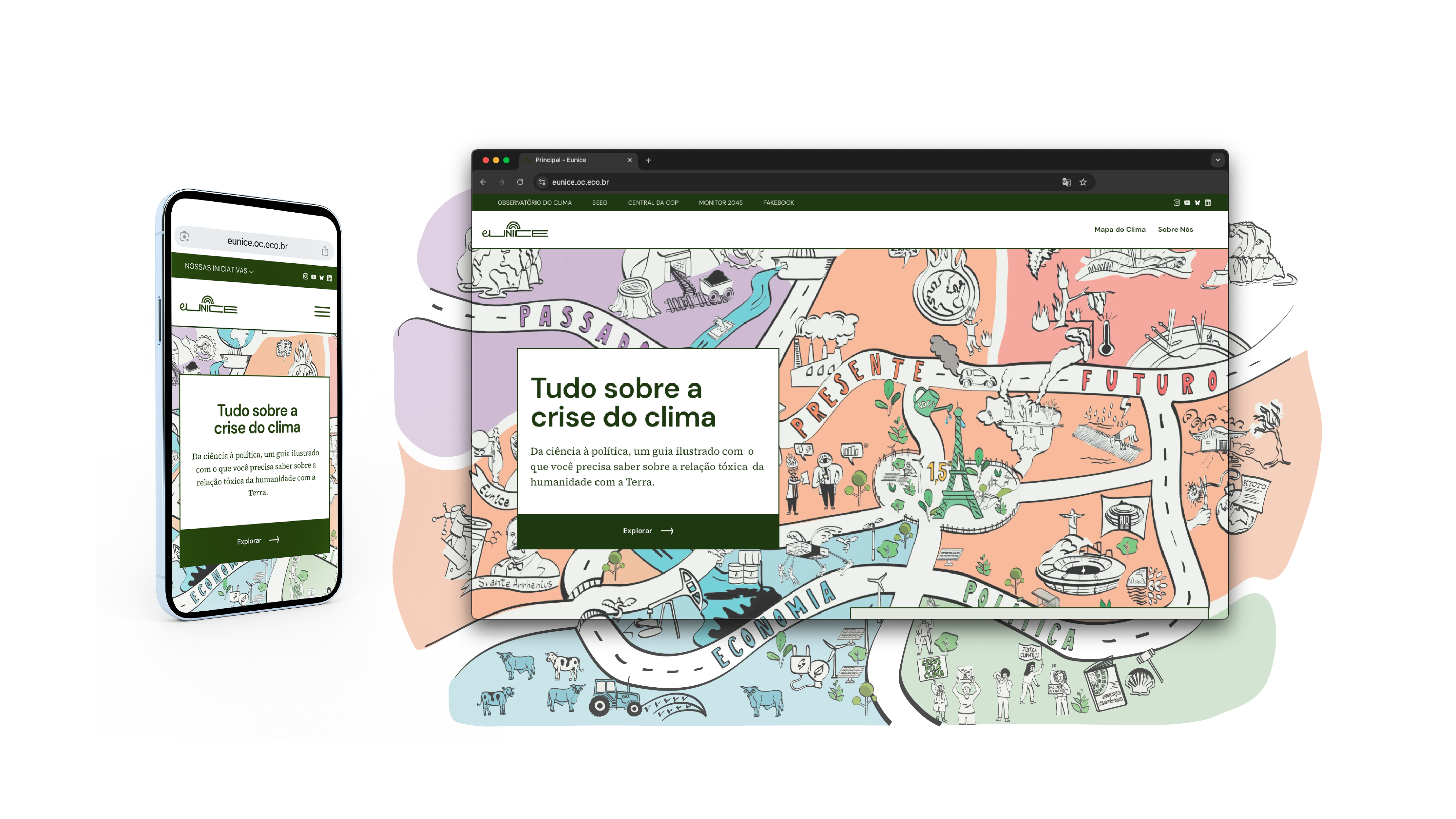
Eunice is an illustrated platform created to expand access to information about the climate crisis.

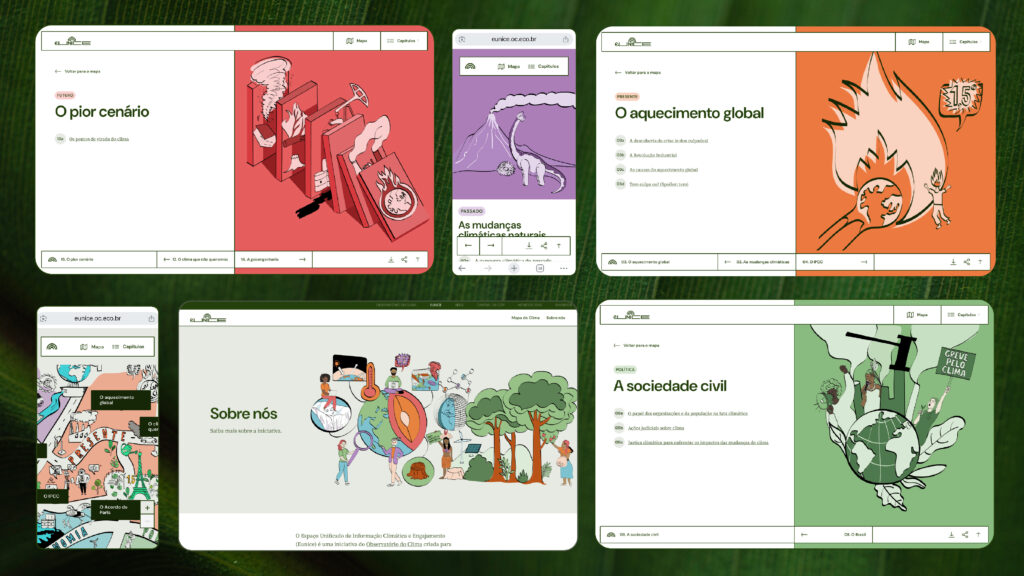
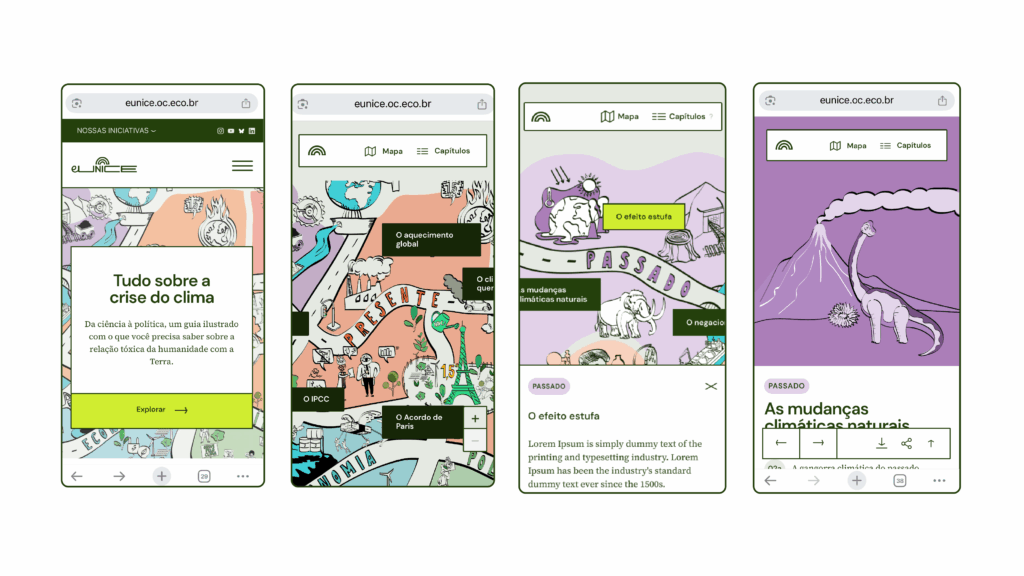
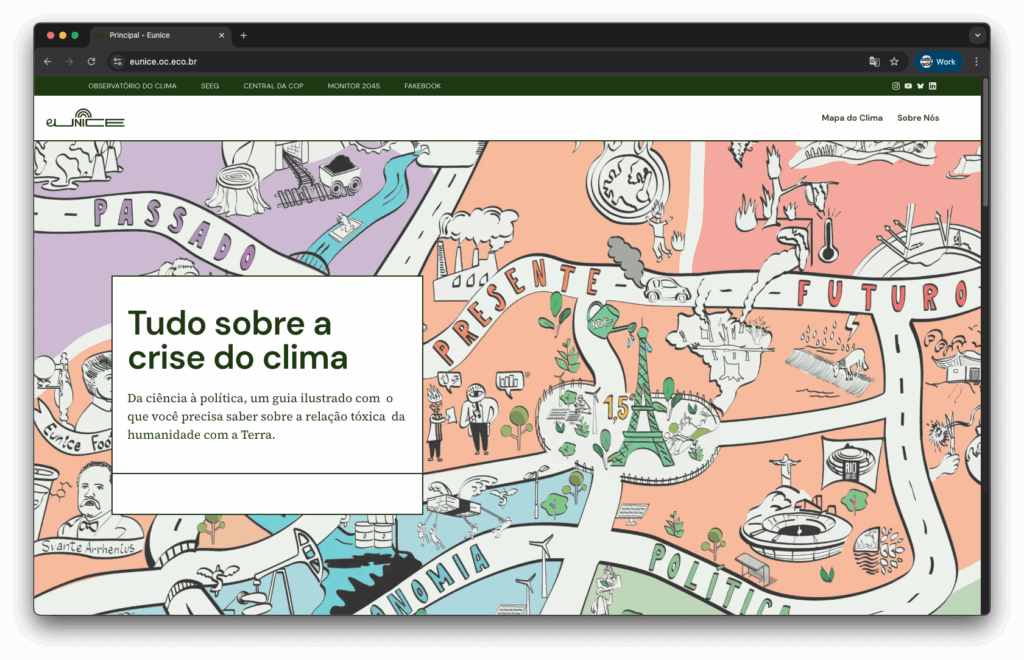
We illustrated an interactive map of a city that features key moments in the history of the global climate, divided into five “neighborhoods”: past, present, future, economy, and politics. The map invites users to explore topics such as the history of global warming, climate conventions, denialism, civil society, and more.

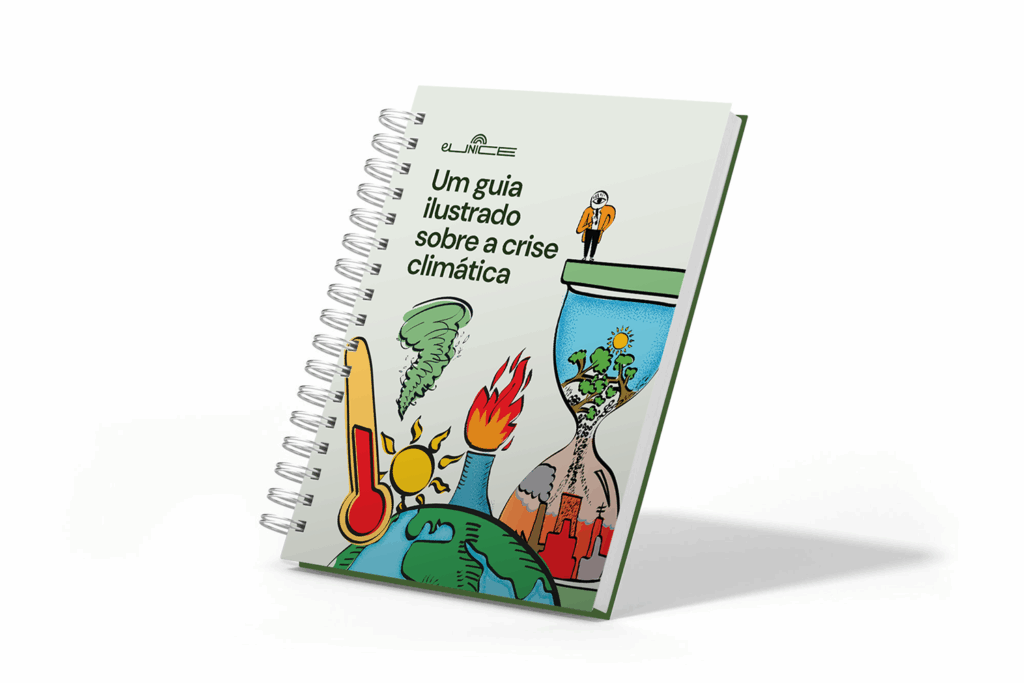
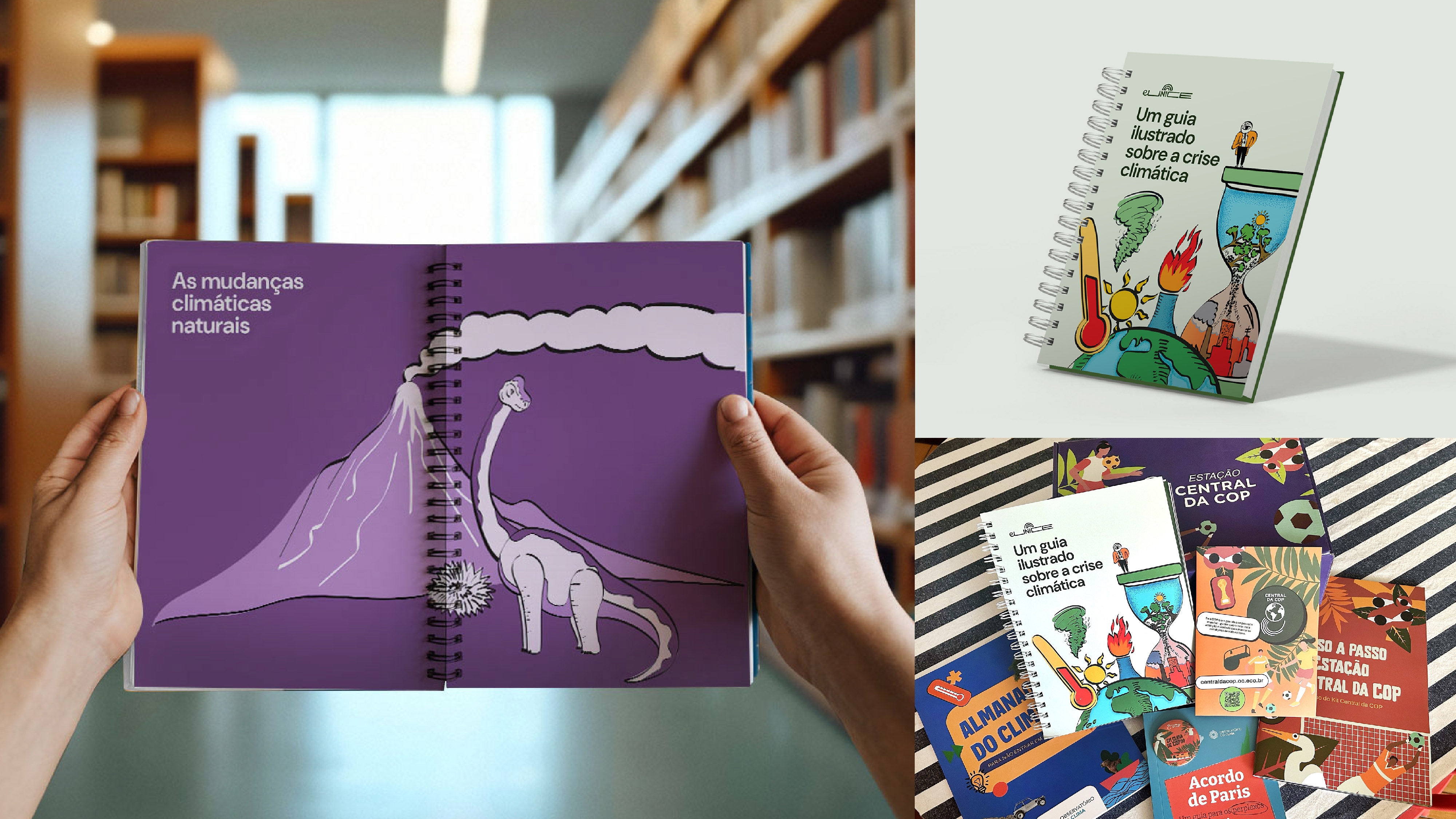
We created 120 illustrations to tell this story across 14 chapters, using a playful and ironic tone throughout the platform. In addition to the digital experience, the project was also published in print as a booklet titled An Illustrated Guide to the Climate Crisis, which is being distributed to leaders, environmentalists, and influencers ahead of COP30.

The climate map and the 120 illustrations were designed for the visual universe of the Eunice platform and its print version, the illustrated guide, which is being distributed in kits for COP30. The illustrated map serves as the entry point to the platform, as if the user were stepping into this city to navigate through different points in climate history.

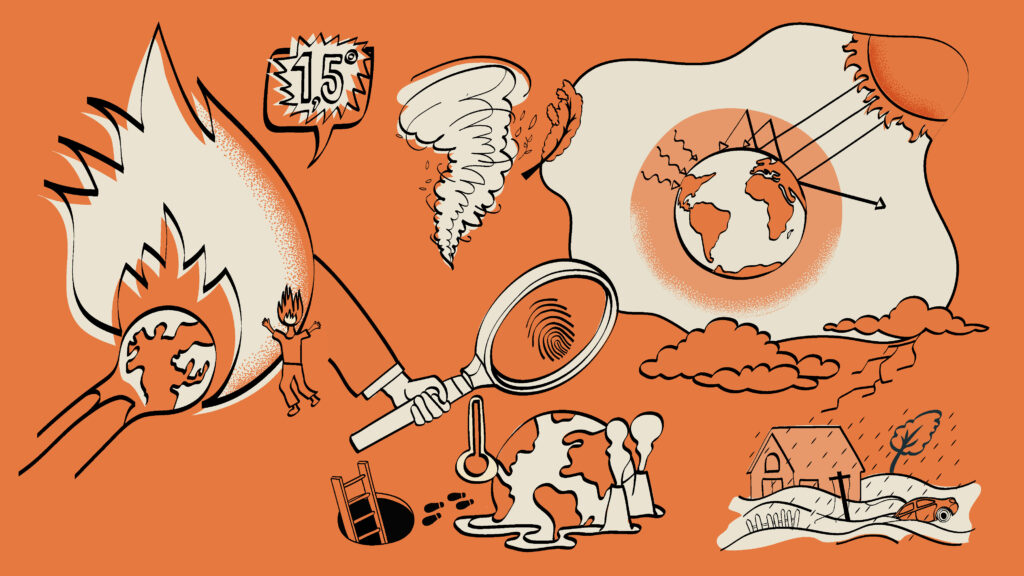
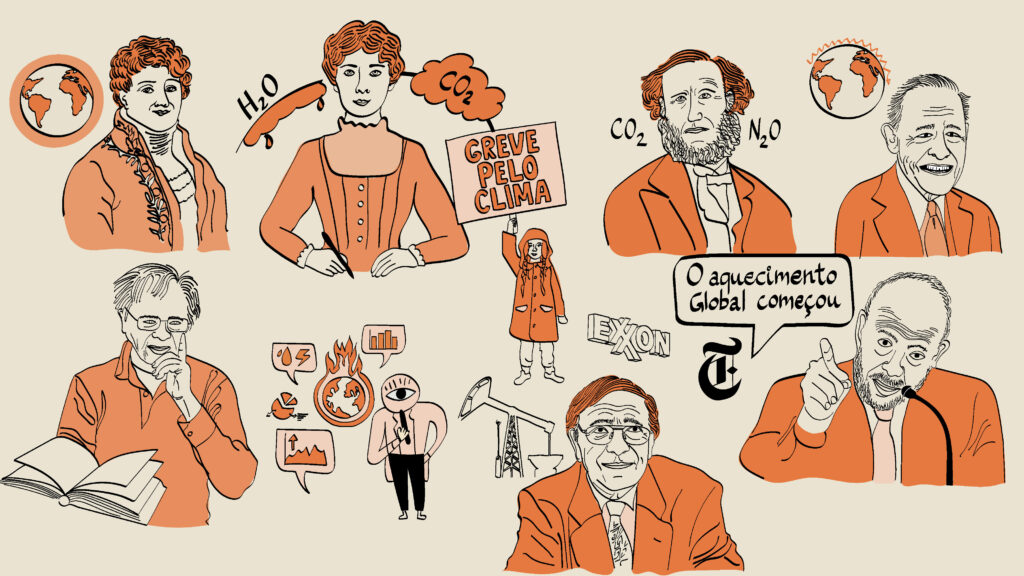
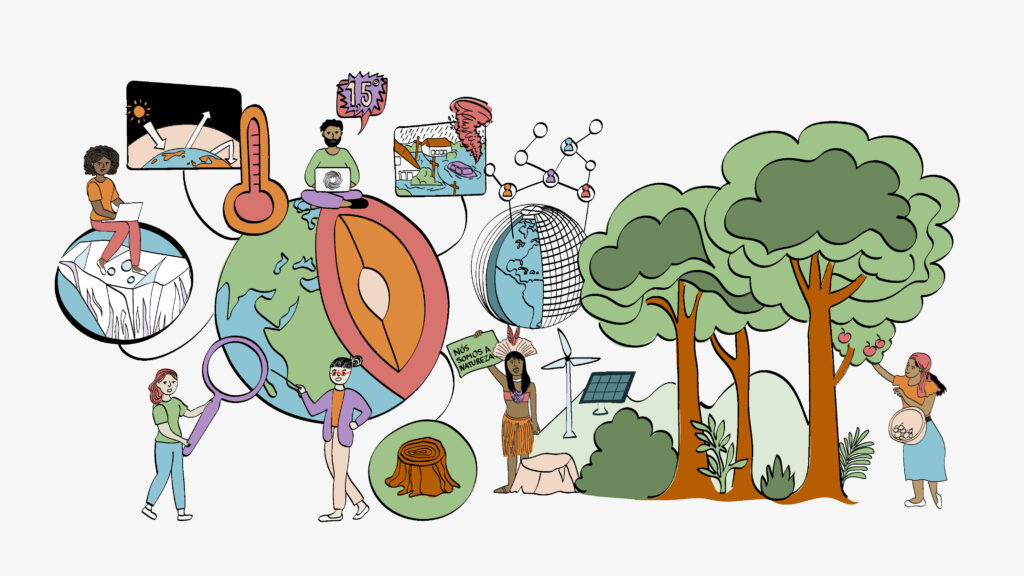
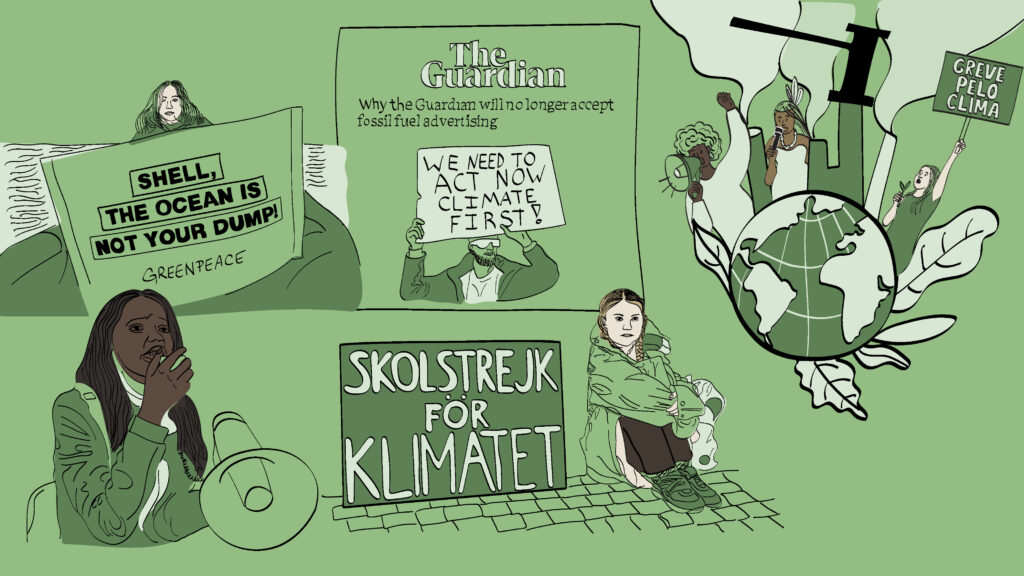
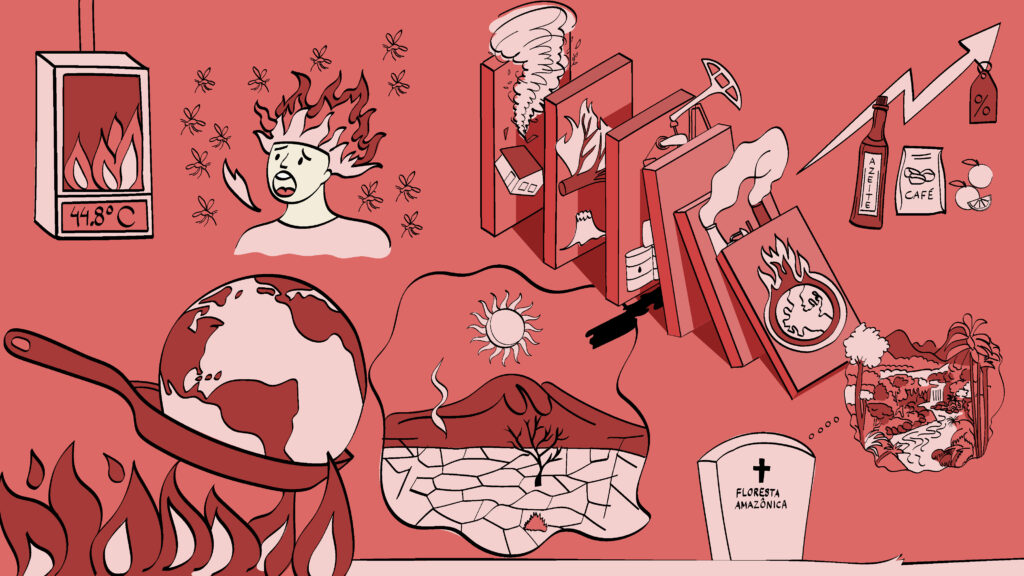
The illustrations were created digitally and inspired by political cartoons, using a critical and humorous tone to interpret a subject that is often overwhelming and paralyzing—like the climate crisis. Alongside the illustrations, the platform also features videos, infographics, audio content, and interactive tools.

The project is named in honor of American scientist Eunice Foote, one of the discoverers of the greenhouse effect, whose contribution was erased from history simply because she was a woman.

The goal of the illustrations on the platform is to raise awareness and make the history and key data of the climate crisis clear and accessible. The idea was to use illustration to transform dense and complex content into something light, engaging, and easy to understand—reaching a wide audience: school teachers, environmental specialists, policymakers, and curious minds who want to learn more.

Eunice was conceived as a concrete contribution to the public climate debate in 2025, the year Brazil will host COP30. The platform was created to make the climate crisis easier to understand for the general public, and it will remain alive and updated over time—helping to strengthen the sense of belonging and connection to the future of the planet.

Credits: 
Ilustrations: Selográfico
Visual Identity: Selográfico e Saúba
Climate Map: Selográfico
Illustrated Guide: Selográfico
Design Lead: Thiago Cruz
User Experience: Bruna Cerasi
User Interface: Natália Soueid
Infographics: Mário Kanno
UX Writing: Observatório do Clima  
Development: Diego Ramalho
Guia ilustrado sobre a crise climática
Círculo 888 – Gestão de Resíduos

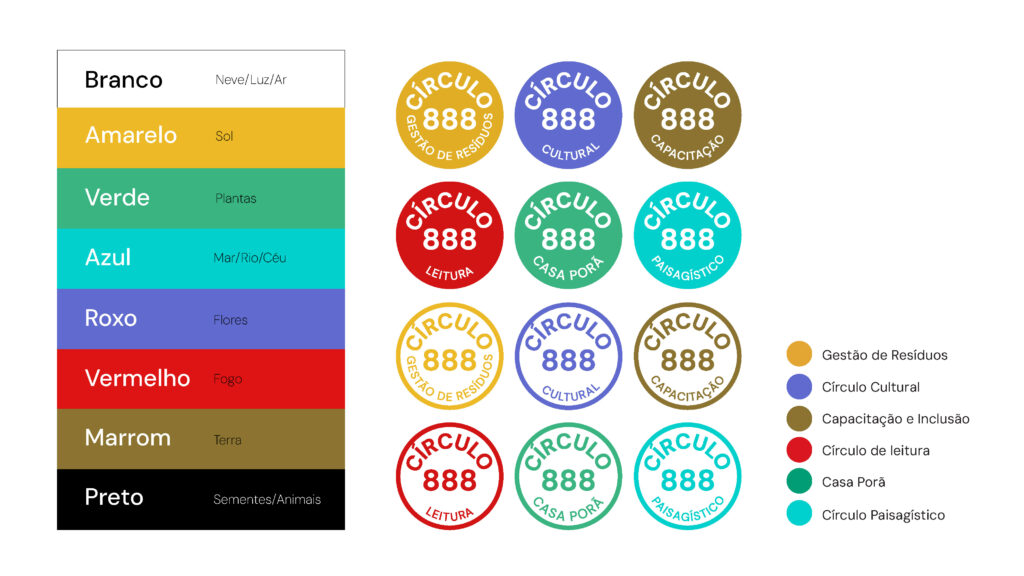
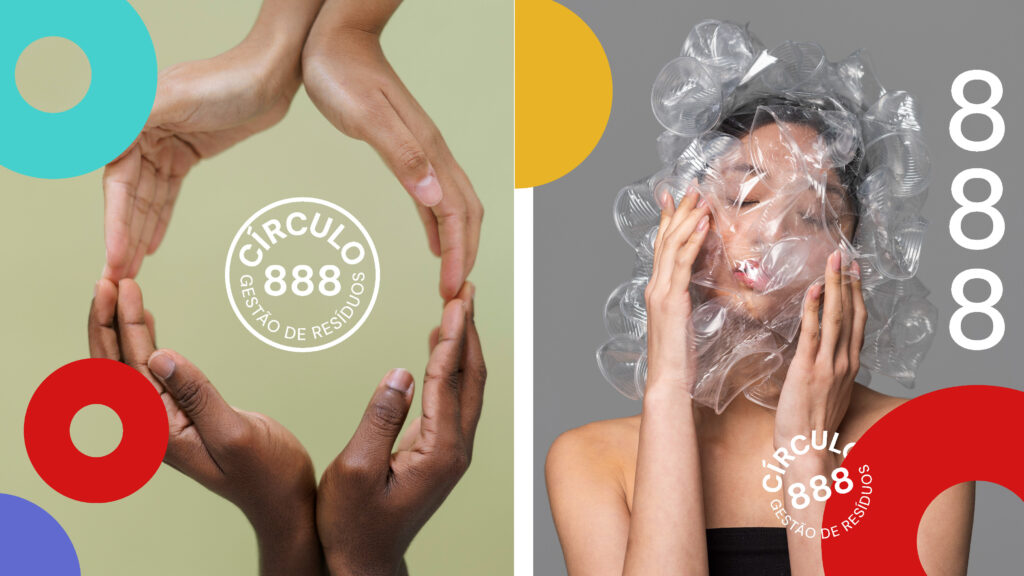
Círculo 888 is a non-profit organization that promotes the sustainable management of solid waste from the beauty industry, combining environmental innovation, social impact, and cultural appreciation. In its visual identity, waste takes center stage—because it is part of our lives, it becomes a key element in Círculo 888’s graphic language. This concept highlights waste not as the end of a cycle, but as an ongoing part of our lives, encouraging us to rethink its destination in a conscious and responsible way.

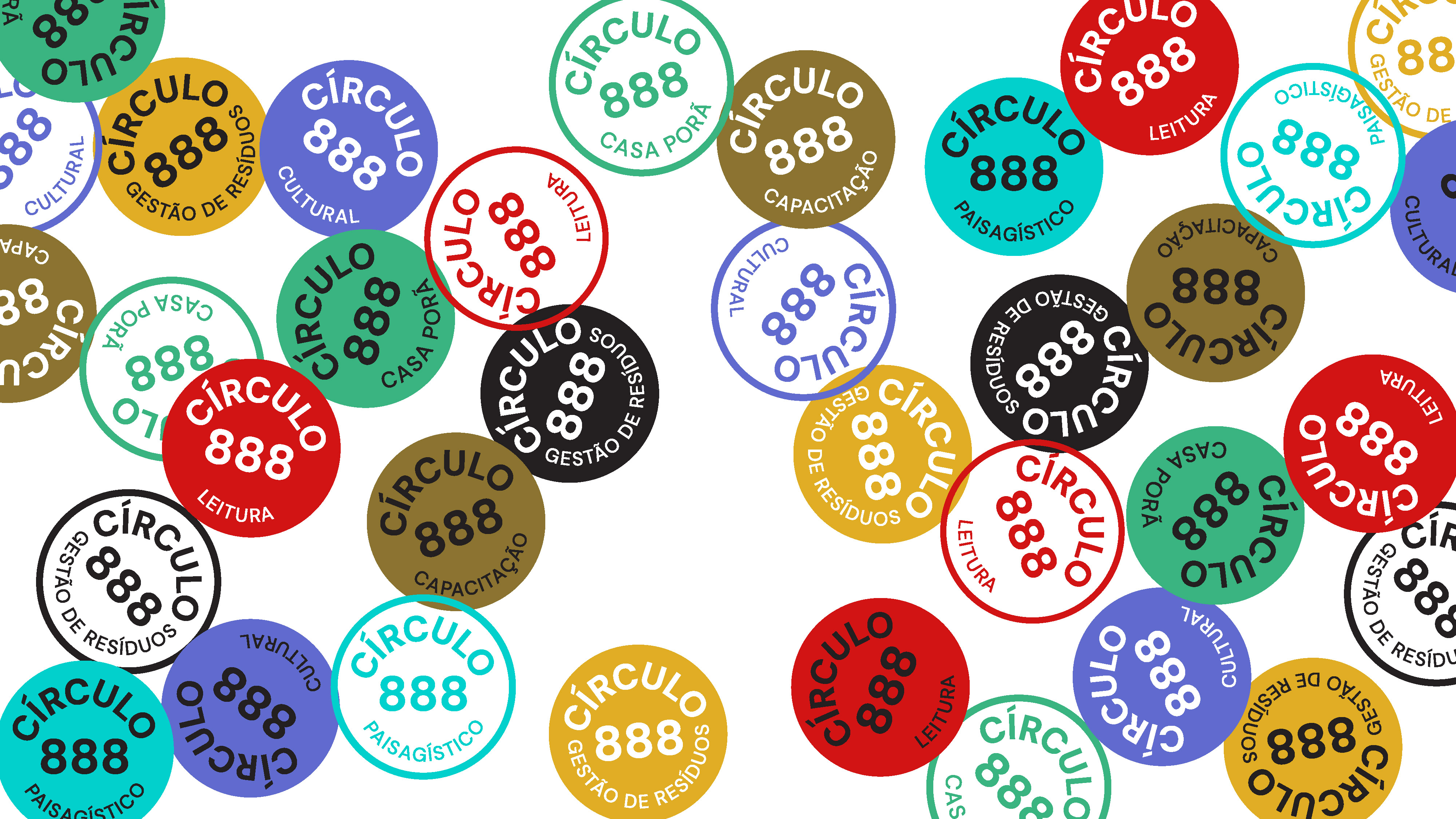
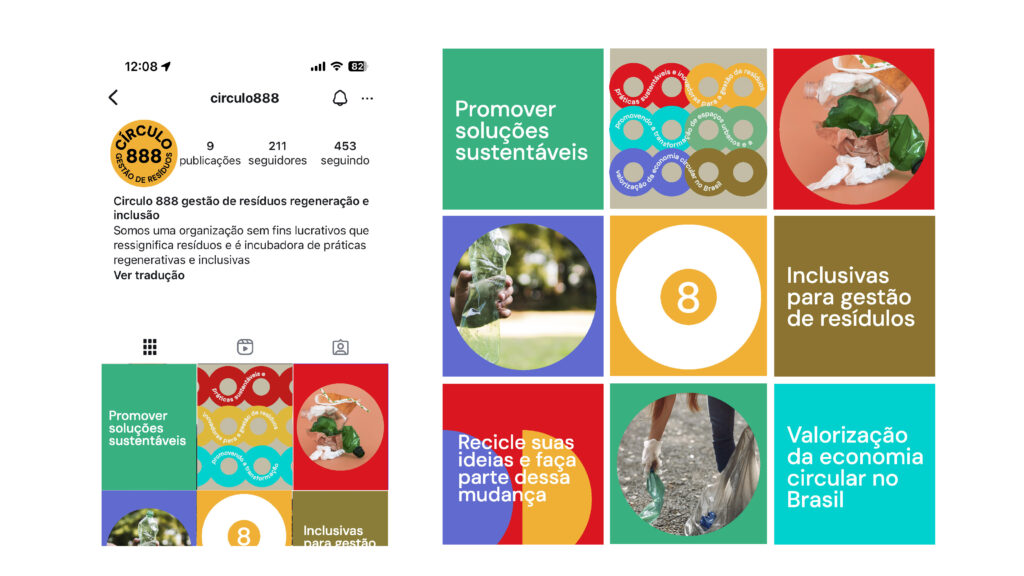
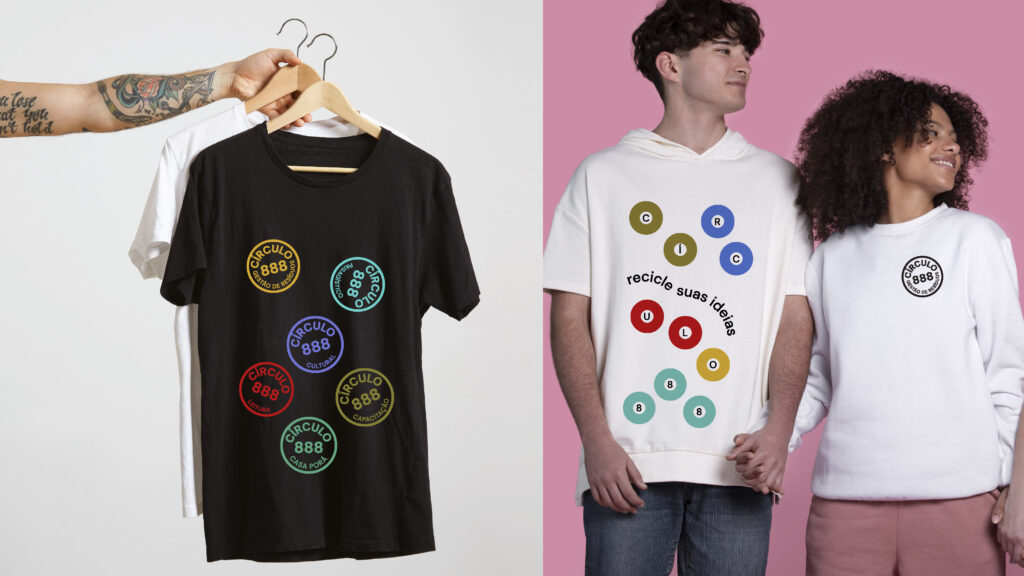
The brand is designed as a sticker or badge, similar to those used in social movements and protests, symbolizing a cause and a form of resistance. The graphic system revolves around the circle and its variations, reinforcing the idea of networks, community, and how our actions are interconnected within a larger chain.

This project is a visual identity that rethinks waste in an intelligent way, with respect for the environment. Círculo 888 is a platform for regeneration, inclusion, and awareness—transforming waste into regenerative resources. The visual identity aims to uplift and give value to a universe that is often ignored or marginalized, portraying it as something powerful and transformative. It seeks to reframe waste, regenerate the planet, support beauty salons, and empower communities to create an infinite cycle of sustainable impact.

The purpose of this identity is to help spread the ideas and values of Círculo 888, raising awareness, shifting mindsets, and creating opportunities for social inclusion through recycling, waste management, and pollution reduction. Círculo 888 aligns with the principles of the circular economy and the United Nations Sustainable Development Goals (SDGs), with the aim of becoming a national reference in environmental regeneration, social inclusion, and raising awareness within the beauty industry—ultimately establishing itself as an OSCIP (Civil Society Organization of Public Interest).

Health on Your Plate Website

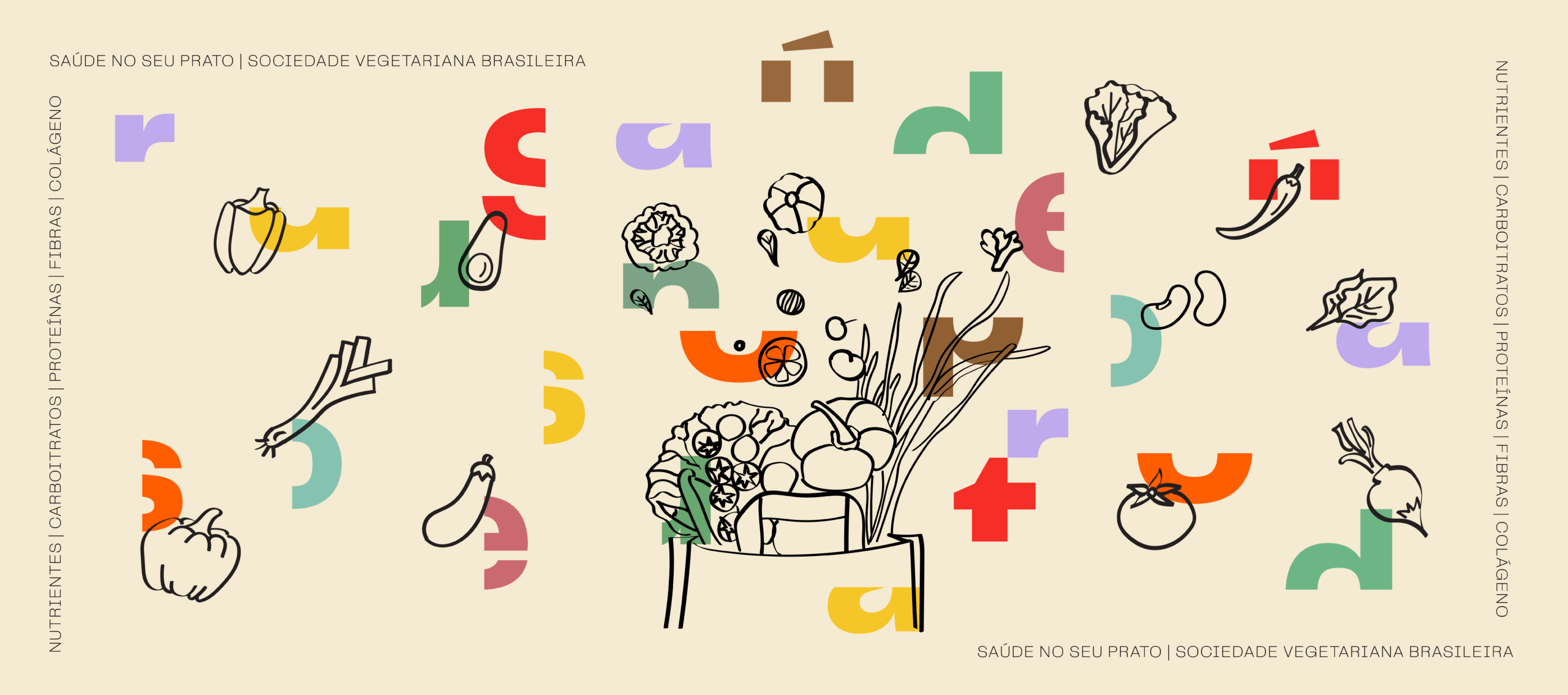
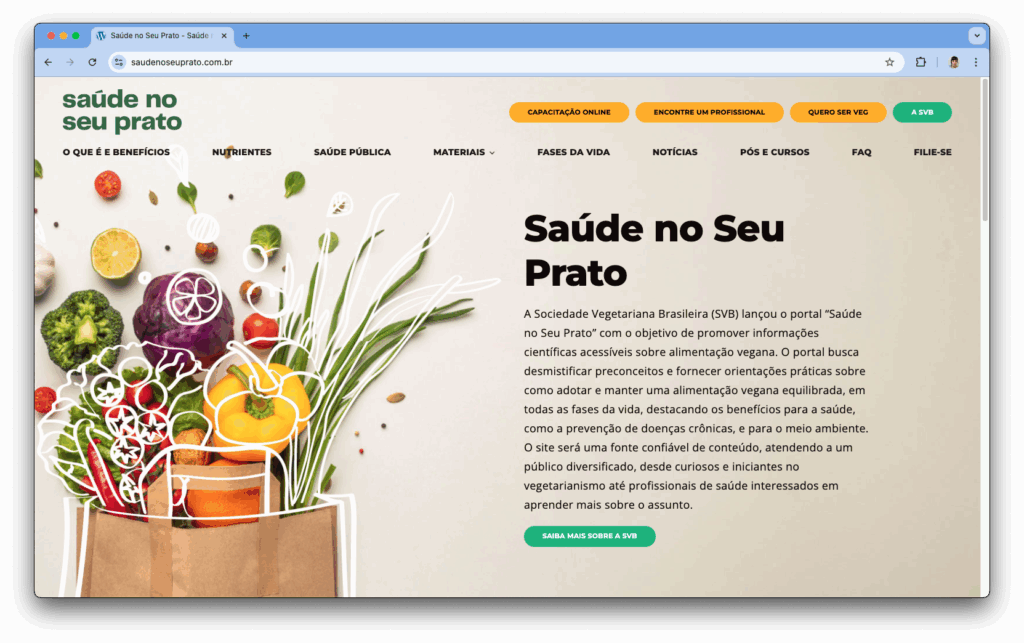
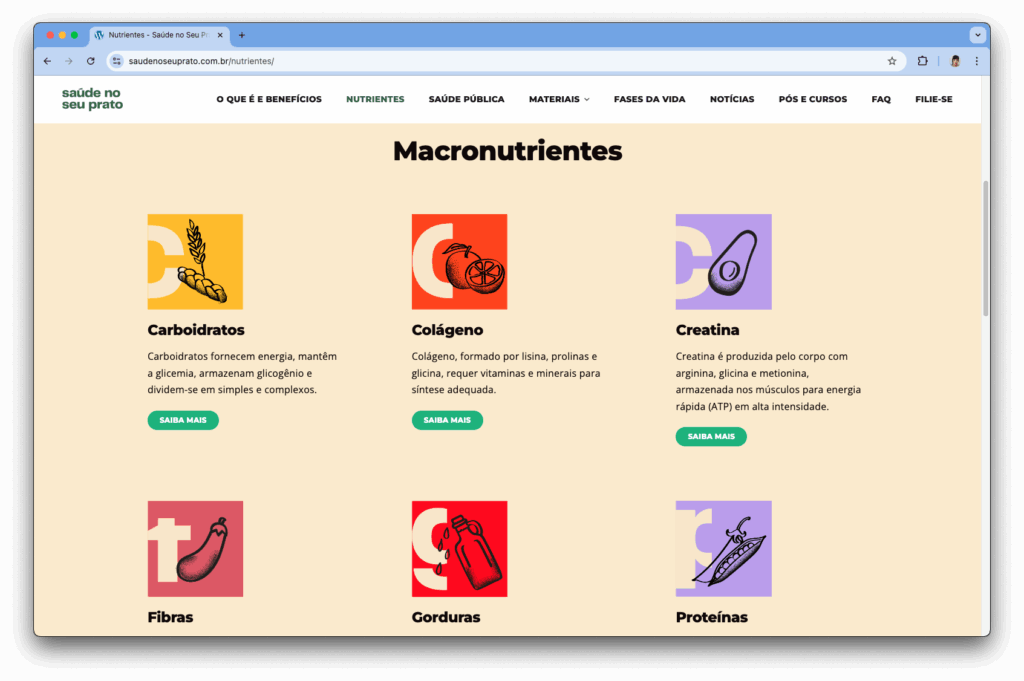
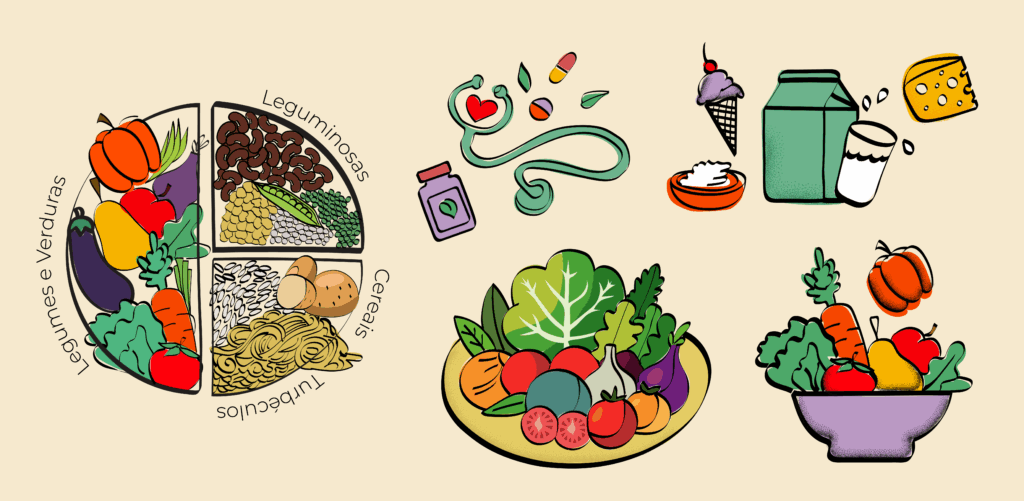
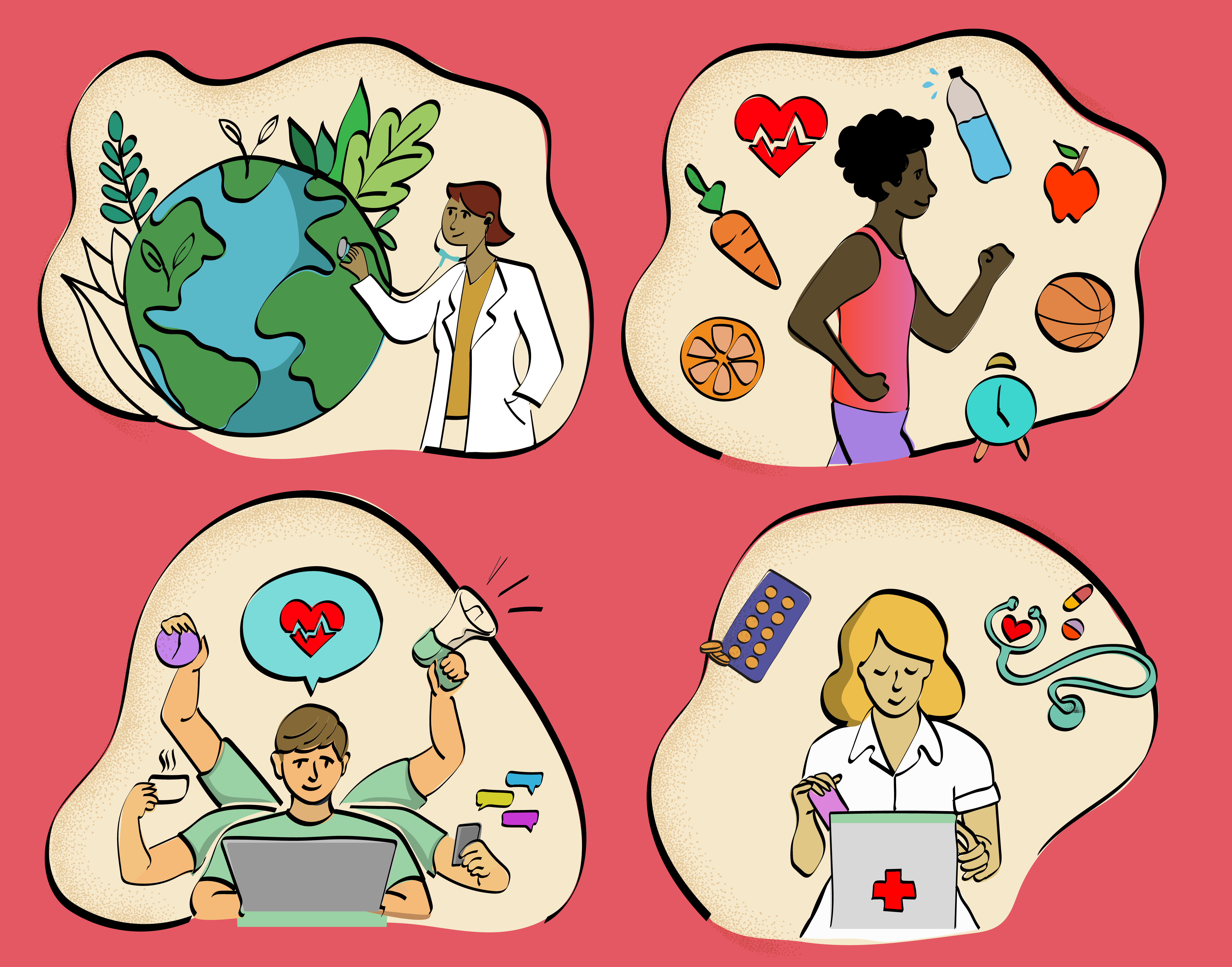
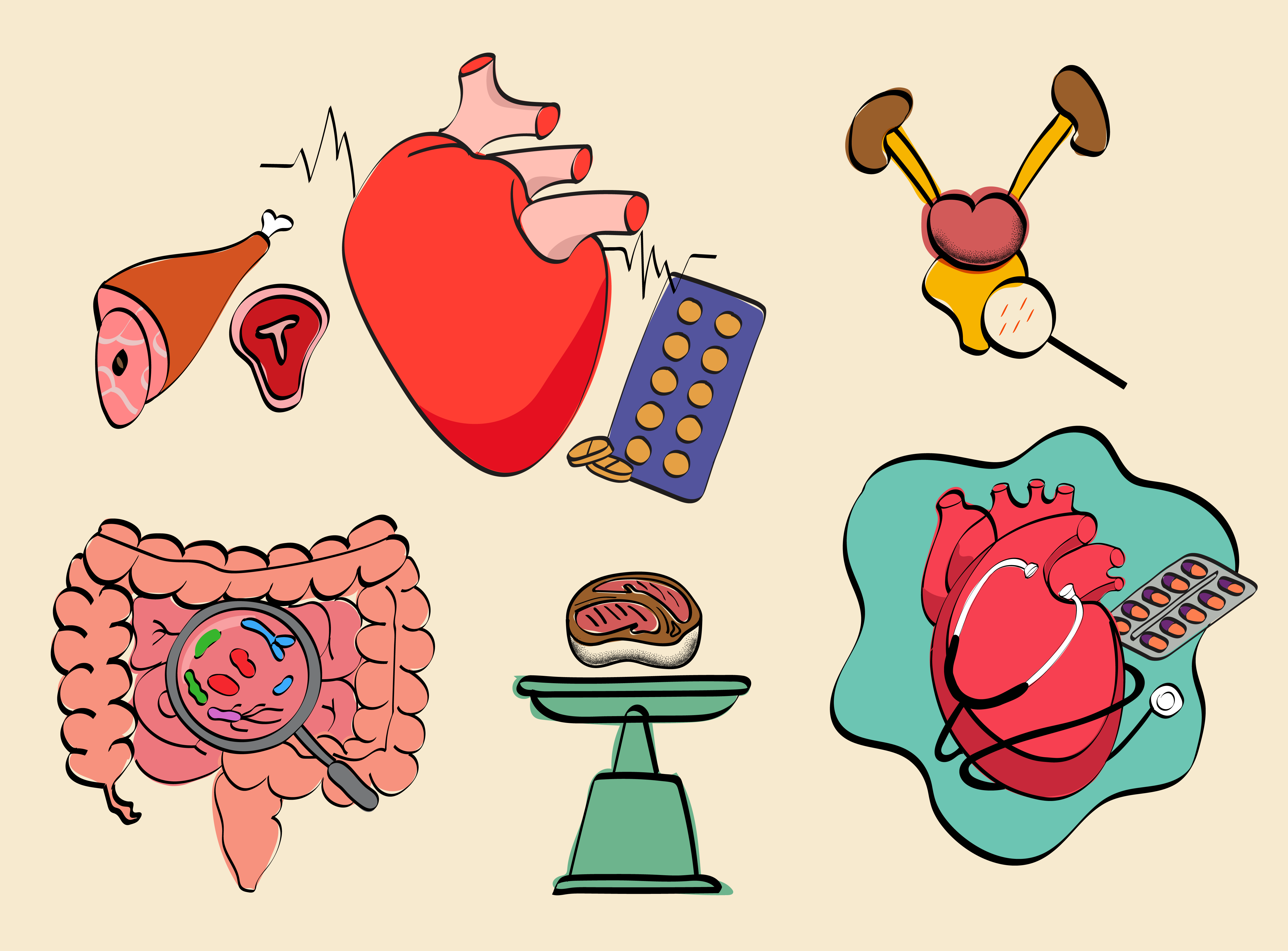
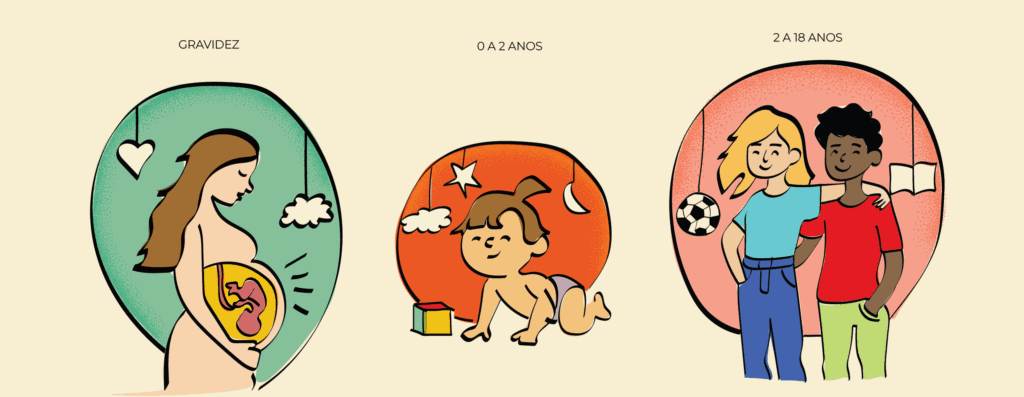
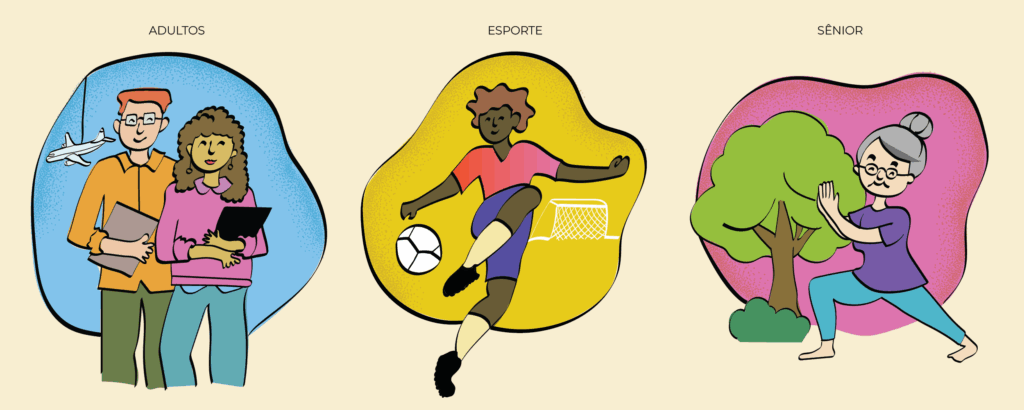
Selográfico was invited by the studio Liquefeito to create illustrations for the new Health on Your Plate portal by the Brazilian Vegetarian Society. The goal of the project is to promote accessible scientific information about vegan nutrition. The portal aims to demystify misconceptions and provide practical guidance on how to adopt and maintain a balanced vegan diet at all stages of life, highlighting its health benefits—such as the prevention of chronic diseases—as well as its positive impact on the environment.

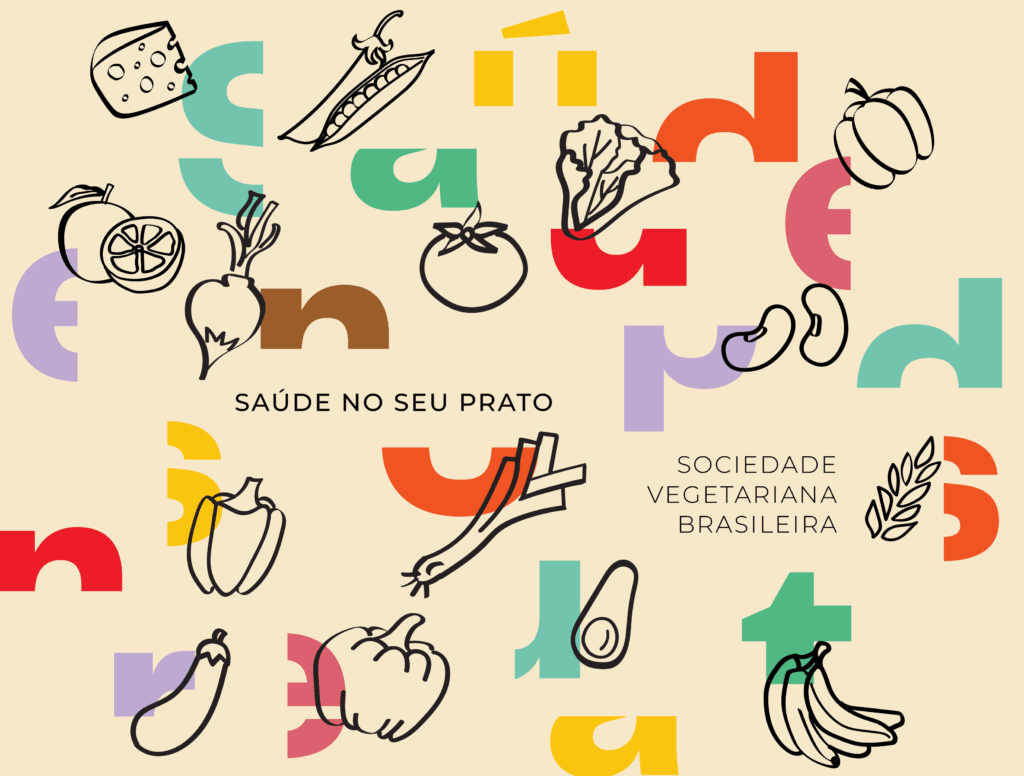
Just as every nutrient is essential for a complete and healthy diet, the typography was “sliced” to create a graphic texture, becoming part of this visual diet.

The Governance of Extra-Fiscal Policies

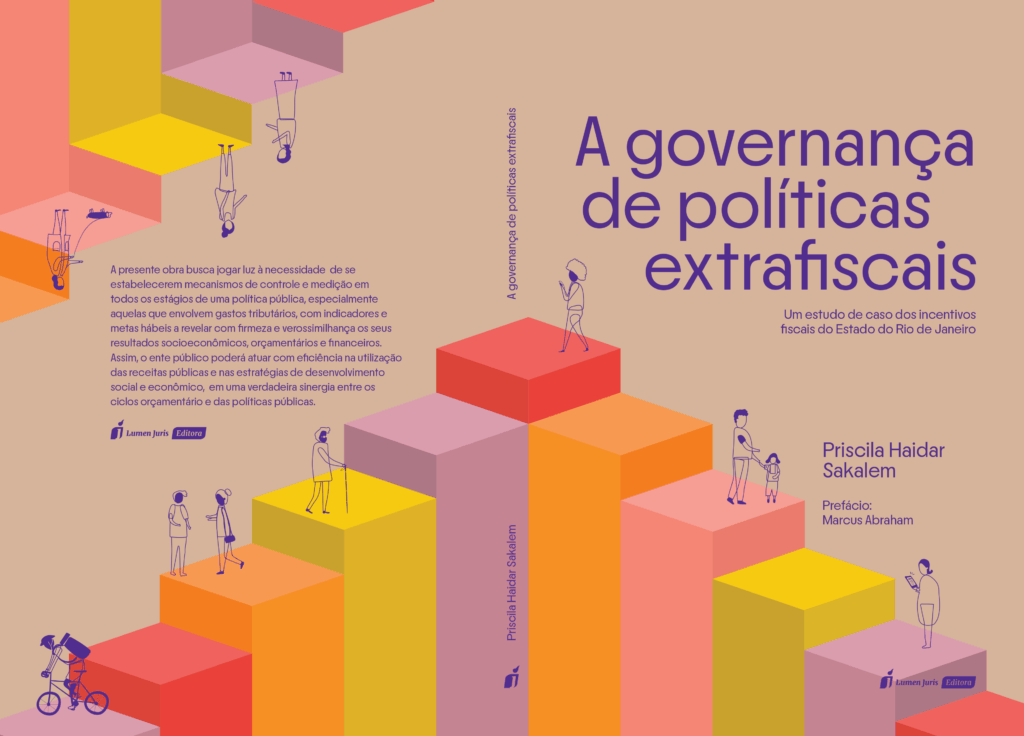
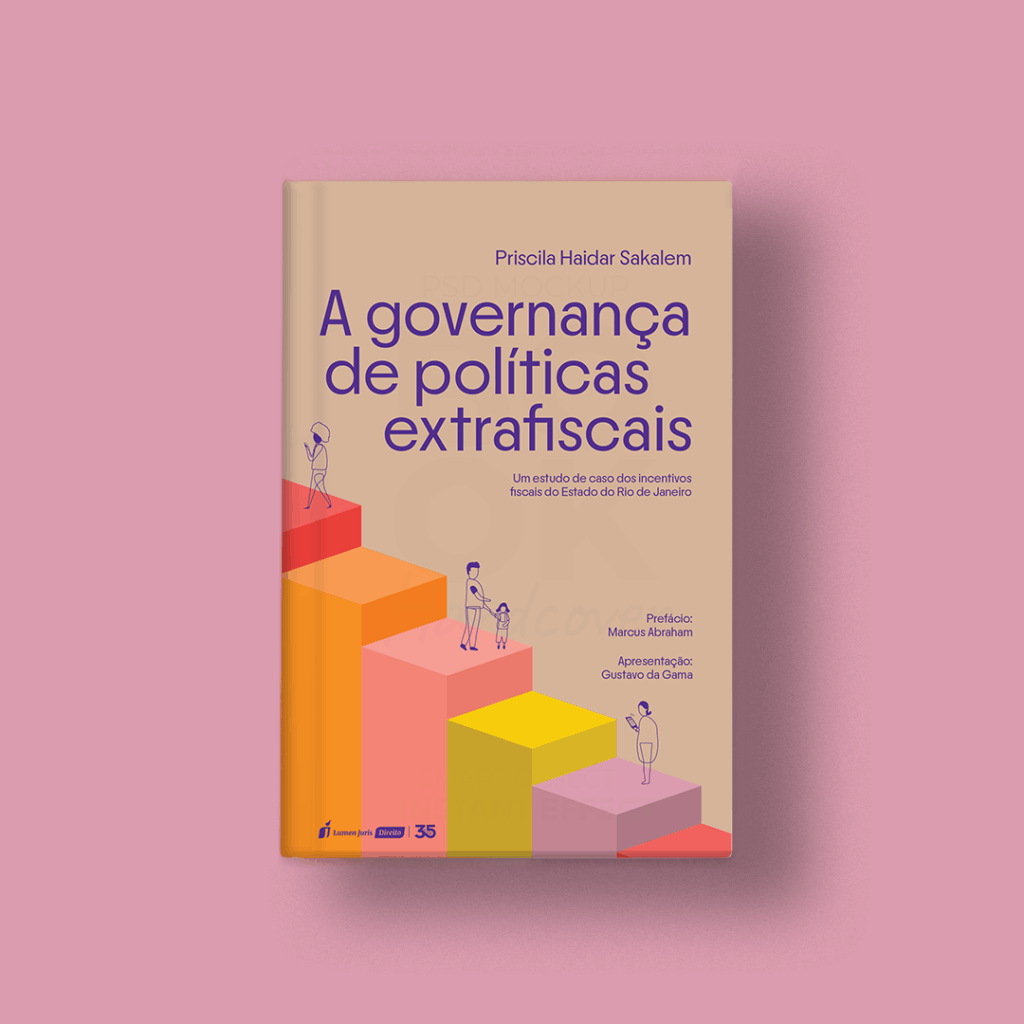
The book The Governance of Extra-Fiscal Policies: A Case Study of Tax Incentives in the State of Rio de Janeiro explores the intricate relationship between public revenue waivers and economic development. By unraveling the complexities of this connection, Priscila highlights the historical evolution of the fiscal state and its relationship with budgetary balance and public policy. Treating revenue waiver as a public policy in itself, she emphasizes the importance of governance for both prior evaluation and post-implementation monitoring.

To address data, indicators and targets, as well as socioeconomic, budgetary, and financial outcomes, we incorporated bar graphs as a symbolic element throughout the book’s visual identity—representing both the path and the steps taken—where the population is the most affected by these public policies.